


Engagements with voters in T&T have found mixed reviews of the governing UNC performance one year after being in office end April 2026. Although Prime Minister Kamla Persad Bissessar has largely retained her high likability among the ruling party’s base and among non traditional voters who voted out the incumbent PNM last year, voters complain about the slow economy and rising price and the sudden spurt in crime. The good news is the opposition party is not posing a serious threat to the UNC as PNM is struggling to galvanize its base, much of which abandoned it in last year elections, resulting in a shocking landslide defeat. But voters do say the UNC government is found wanting in promised delivery of services and in granting licenses for guns. Many complained that the government has not completed its manifesto policy on “stand your ground” so they can acquire guns to protect themselves, family, and businesses. Implementation of the gun policy seems stymied, protest the public.
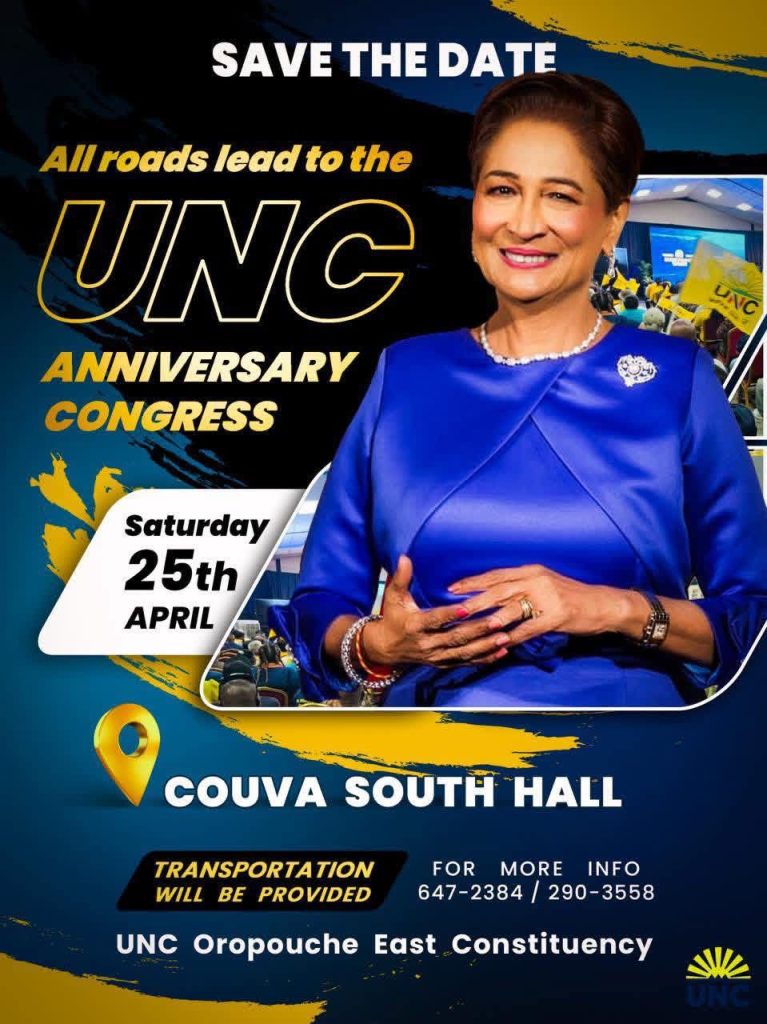

The UNC government started on a high with record approval ratings after dispatching the unpopular PNM administration that sought a third consecutive term end April 2025. But UNC approval ratings have been declining over the last few months with the population expressing growing concern over a stagnant economy, persistent high unemployment, and rising crime that has generated security fears. But there has not been a rise in PNM ratings.
Voters noted that the government did very well early in its tenure in seeking to mend the bad economy it inherited and in reducing high crime rates over the previous decade, but there has been a spike in crime over the last couple months. The latter has driven fears among most of the population.
Similarly, on the economy, initially, the population supported lower fuel costs in the budget and other tax elimination or reductions. But the government now faces scrutiny over the economy that they complain has been dormant in recent months. The government lacks the money to address many demands.
However, the government continues to enjoy some positives especially in the foreign relations realm. The public has supported the PM on remarks relating to Caricom and in electing a Secretary General without the required transparency. Voters also have backed Kamla’s allying with USA against Venezuela and in combating narco- trafficking. T&T and the US started strongly under Kamla II with very cordial relations that have centered on energy security, economic investment, and geo-security cooperation. The policy has paid dividends with T&T being a recipient of soft loans, American investment, foreign aid, among other benefits. In addition, US visas were not suspended or canceled for nationals of T&T unlike for other nations opposed to President Trump’s Caribbean policy. And there were high-level visits by Washington policy makers that has helped to cement ties that have resounded to the benefit of T&T. The country also has benefited economically and health wise from the visit by Indian PM Modi last summer. And PM Kamla was a special invitee in March to Miami to engage President Trump who offered assistance to combat drug trafficking and violent crimes. In addition, she visited Washington last September to engage Secretary Marco Rubio and other American policymakers which resulted in economic assistance.
Nevertheless, public’s patience is running thin on slow implementation of the manifesto. As discovered in engaging voters, they don’t seem to understand that many issues facing T&T are structural. As analysts note, rebuilding the economy is not an immediate occurrence. Economists say it is a gradual process that takes painstaking time. Governance requires political will to make tough decisions and time to properly implement policies before results can be seen. The public doesn’t seem to understand that building a diversified economy away from energy will take time. As defenders point out, government is seeking to create sustainable jobs, supporting small businesses and driving entrepreneurship, trade and connectivity. The government is focusing on education as a tool for long term change and agriculture to lower food prices. It is also hoping that Artificial Intelligence and digital technology can modernize and reduce bureaucracy for efficient delivery of services. For that, the government is credited. But the public wants to hear timelines for a rapid turnaround in the economy. And they hope that the shift towards economic diversification and the offering of tax incentives for R&D in AI, biotech, and renewable energy sectors may attract investment that create jobs and increases growth in the economy. They also hope that the economy may benefit from agreement with Guyana and the dragon gas agreement. They hope that other assistance from USA are forthcoming.
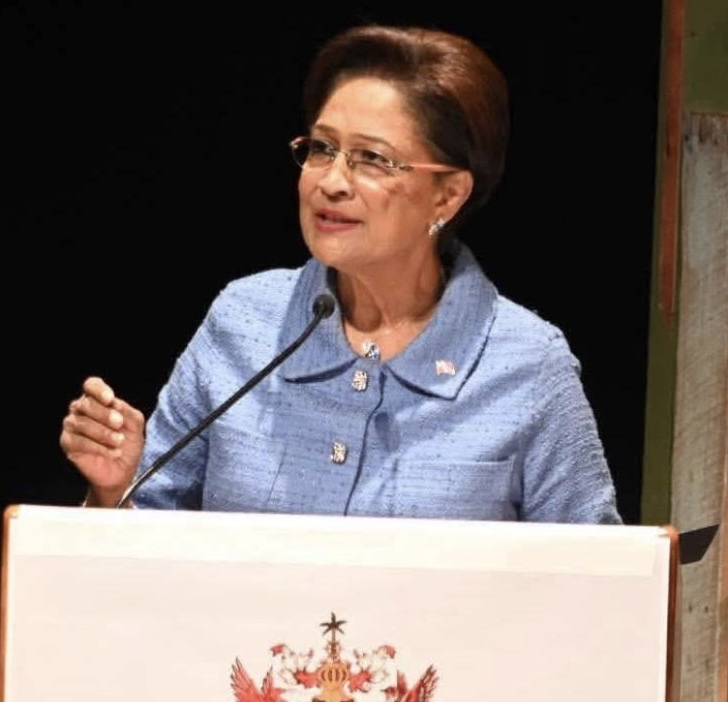

As many told this writer, government needs to improve on its public relations to retain public confidence — inform the nation what is in the pipeline for the rest of 2026 and coming years in terms of the economy, and what it plans to do now on crime and in other areas such as technology, education, health care, agriculture, housing, energy, etc. and on jobs creation.