





















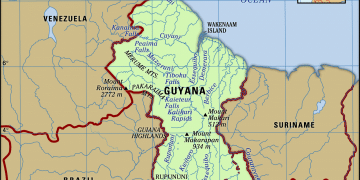







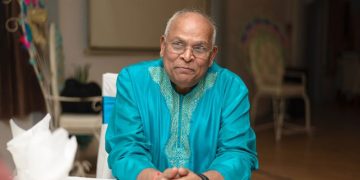
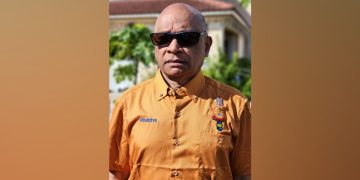


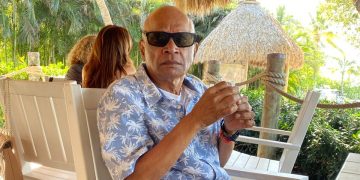

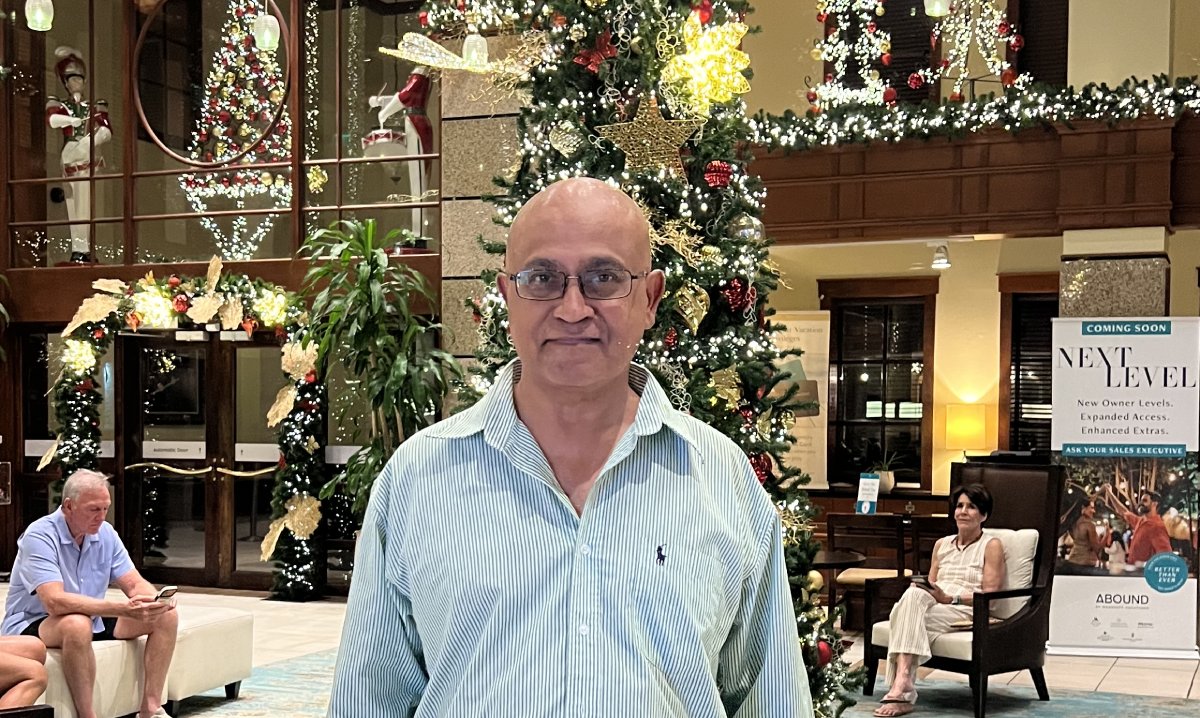
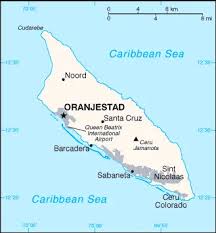
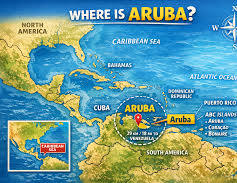
There is a significant Guyanese community in Aruba, comprising largely of Indo Guyanese with small numbers of Afros, a handful of Mixed, and a few Amerindians. Aruba is Dutch territory in the Caribbean that has its own government, self-governing with a Prime Minister and Ministers of Government. It is an island just above Venezuela. It is relatively crime free. Aruba’s Central Bureau of Statistics reported that its population included people from 153 countries and 99 nationalities in 2024 including Indians from India, Sindhis, who dominate the jewelry business. The figures demonstrate the island’s multicultural character. However, the published overview does not establish the number of Guyanese nationals living and working there.
The near exact number of Guyanese including those born in Aruba of Guyanese parentage are not known but estimated at over 7,000; there are third generation of Guyanese in Aruba meaning grandparents were from Guyana. They migrated primarily for employment and a better standard of living than experienced in Guyana. As they settled down and secured their legal status, they sent for siblings, relatives, friends, growing the Guyanese presence. The Guyanese, like all Arubans, are multi-lingual. They speak the local dialect, Papiamento, a mixture of Dutch and Spanish and local indigenous words. They have a working knowledge of Dutch, the official language. They also have knowledge of Spanish. They speak English. And they communicate in Guyanese dialect among themselves. Some know Hindi and Bhojpuri words. They don’t have a formal community but they do come together for certain celebrations. They are endogenous, but there are known to be inter-marriages and mixed couples (between Indo Guyanese and Dutch Arubans) and children. the search for a better life, there was or has been sacrifice, struggles, survival and the fight for dignity.
For Guyanese, moving to Aruba represents an opportunity to build a better future, provide for their families, and explore new possibilities. The story of Guyanese in Aruba is more than a story of migration. It is a story of sacrifice, ambition, perseverance and national pride. Regardless of how many years they have lived away from Guyana, many continue to carry their homeland in their hearts. They may have established homes and families in Aruba, but their connection to Guyana remains an important part of who they are. Every Guyanese family owns a home in Aruba. After a few years on obtaining citizenship, they purchase a home and a vehicle.
Early Guyanese have historically worked in Aruba’s construction and oil refinery industry going back to the 1960s and in the 1970s. But the bulk of ‘Guyanese’ came during the 1980s and beyond when economic conditions were very bad in Guyana and Indians were victims of racial and political victimization. The country was on verge of mass starvation described in the same category as or worse than Haiti.
Indo Guyanese ‘emptied out’ of Guyana in massive numbers to Suriname, Venezuela, French Guiana, Trinidad, the islands around the Caribbean, UK, North America, and elsewhere. It is estimated that over 80% of Guyanese who migrated into Aruba were Indians. They came via Suriname or directly as tourists from Guyana. Several Guyanese migrated from Aruba to Holland. In addition to Indo-Guyanese, there are Indians from Suriname and Trinidad as well as Indians from India in Aruba. It is not known if there are Indians from Jamaica, Grenada and other islands in Aruba. There are also Indo Guyanese in Curaçao, Bonaire, St Martin and other islands. There are Africans from Jamaica, Grenada, Dominica and other islands in Aruba.
Many Indo Guyanese to Aruba came through Surinam while others found themselves on the island through employment sponsorship and as tourists and obtained work permits. Some arrived as visitors and successfully transitioned into residency permits.
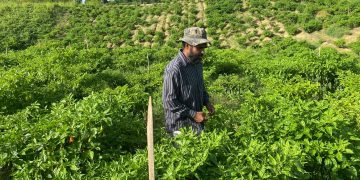
Over time, all of them acquired residency and citizenship allowing them to bring relatives to join them. Unions produced Aruban born children who retained Indo Guyanese heritage and culture. Almost all of the adult Guyanese work in the tourist sector as security guards, clerks, managers, accountants, engineers, and as educators and in construction, the health sector, banking, etc. Some of them own businesses. At least one Guyanese has a farm producing fresh vegetables and importing foods. A few own restaurants selling Guyanese cuisine including roti, curries, phulourie, bara, etc. A few work in government. A few are in real estate and rent apartments they own and a few own small hotel and in the rooming business. Indo Surinamese and Indo Trinidadians came to Aruba long before Guyanese and not surprisingly more work in government and in management of hotels than Guyanese. Indo Surinamese are known to be employed as police and in immigration and customs.
Securing a job is only one part of the challenge for immigrants. Rent, transportation, groceries, utilities and other living expenses can consume a significant portion of a worker’s earnings. Those who also send remittances to Guyana may find themselves balancing two households on one income. Guyanese have to balance income with expenses, send money back home, and save to purchase a home one day.
It is noted that there are more Hispanics than Indo Caribbean people on the island. The Hispanics came from Colombia, Dominican Republic, Venezuela, Ecuador, Peru. A few are also from Mexico and a few other countries. Colombians are the largest immigrant group. Almost all the Hispanics are in the construction and hotel industries. Some are taxi drivers.
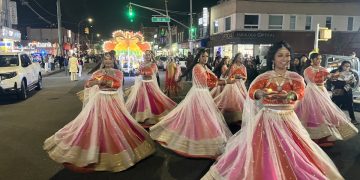
There is strong solidarity and support among workers of a particular country. Workers from a particular country are known to use contacts at their places of employment or at another company to assist brethren obtain work permits and bring them to the island. Guyanese are less supportive of one another and to assist brethren obtain work permits and jobs in Aruba. Indo Trinidadians have not shown much interest to settle and work in Aruba since the closure of the oil refinery in the 1985. Dozens of Trinis worked in the oil industry. Surinamese are known to assist each other obtain work permits, jobs, contracts.As in Guyana, the Guyanese population in Aruba live separately with each group socializing among themselves. The Guyanese community has historically been relatively small and not as formally organized as say Indo Guyanese communities in the United States or Canada. But they are known to have celebrated Guyana’s Independence Day on the island although not in recent years.
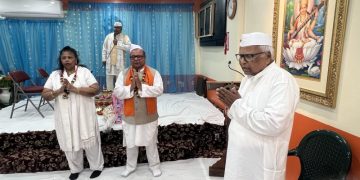
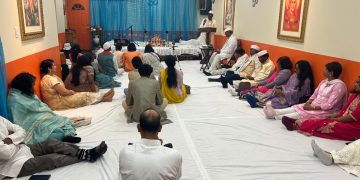
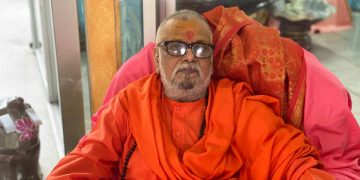
There are no known formal Guyanese or Indian organization. A make shift mandir was organized and existed a few years attending to Hindus spiritual needs before discontinuing services. There is a masjid that serves the spiritual needs of Muslims regardless of national origin. Guyanese, Trinis, Arab Muslims worship there.
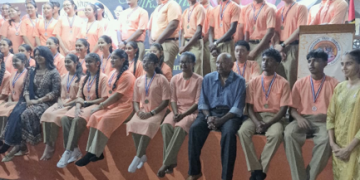
The Indo Guyanese Hindu community has largely retained their culture and traditional practices as in Guyana and in India. The Guyanese community in Aruba represents an important part of the Caribbean’s diverse cultural landscape. Through determination, hard work, entrepreneurship, studies by youngsters, and a strong connection to their homeland, Guyanese people have made meaningful and substantial contributions to Aruban society.
Whether working in hospitality, construction, business, education, healthcare, government, or other sectors, Guyanese nationals bring valuable skills, experiences and cultural traditions to the island. Beyond employment, they carry with them the rich heritage of Guyana, including its food, music, celebrations, traditions and warm Indo Caribbean spirit. In addition to culture, Guyanese and other Indians and immigrants contribute significantly in taxes.
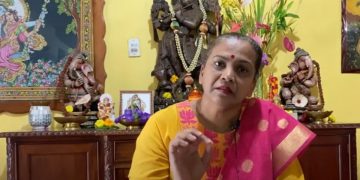
One of the greatest challenges facing Indo Guyanese living in Aruba is maintaining their cultural identity while adapting to a different, modern, unfamiliar society. They continue to take note of Guyana’s Independence Day, religious festivals, and family traditions, ensuring that younger generations remain connected to their roots. They keenly follow news in Guyana. They listen to Indian music (including Indo Caribbean) and watch Bollywood films. The Hindu Guyanese yearn for a mandir and a residential Pandit. There is none. At one time, there was a Pandit and weekly Sunday morning service. A pandit from Trinidad or Suriname occasionally visited and several Hindus jointly shared in the expenses; he would conduct puja at homes of several Hindus. That practice seems to have ended a few years ago. The Indo Caribbeans are disappointed that the wealthy Indians from India, the millionaires, the Sindhis, have not taken a lead and establish a mandir. There are Mandirs in St. Martin and a few of the islands.
In terms of food, Guyanese cuisine, including cook-up rice, pepperpot, curry, roti, and other traditional dishes, remains a cherished reminder of home. However, living overseas also comes with challenges. The cost of living, immigration requirements, employment opportunities, family separation and the responsibility of supporting loved ones back home are realities that many migrants must navigate.
There is an opportunity for Guyanese in Aruba to strengthen their relationship with their homeland while contributing to the development of their adopted country. Greater community organization, cultural activities, business networking and youth engagement could help bring Guyanese nationals closer together. A stronger community association could also provide a platform for addressing concerns, celebrating achievements and supporting those who may need assistance.
The Guyanese diaspora is an important bridge between Guyana and the wider Caribbean. Its contributions should be recognized, encouraged and celebrated. As Guyana continues to develop and Aruba continues to welcome people from different backgrounds, the Guyanese community deserves recognition for its contributions, achievements and commitment to building a better future. They are also commended for being ambassadors of Guyana in Aruba and for sending assistance to loved ones during difficult times.