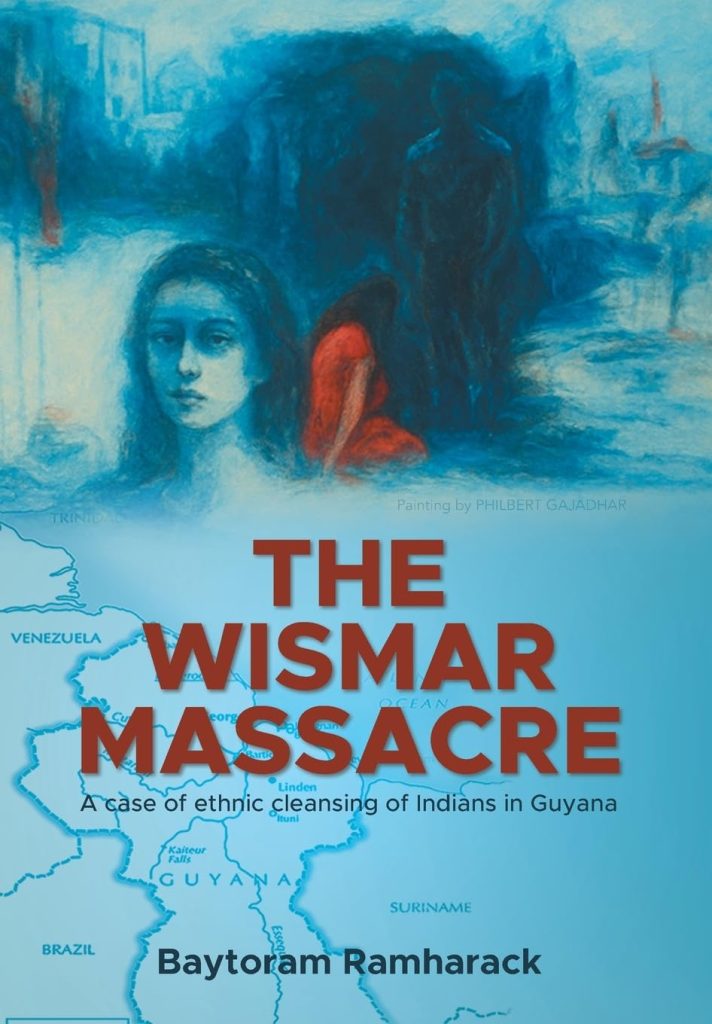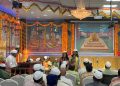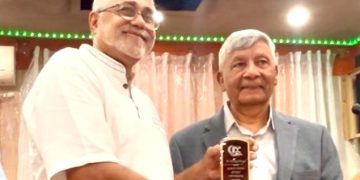



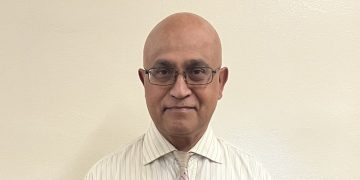
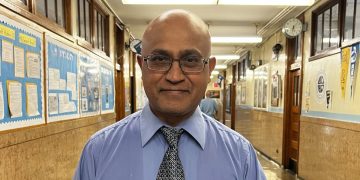
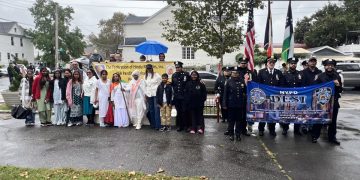
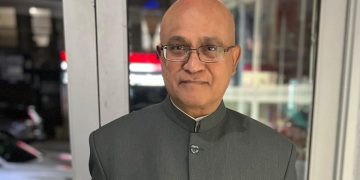
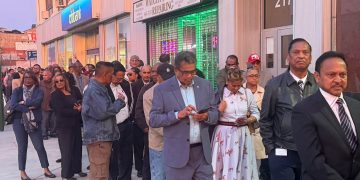
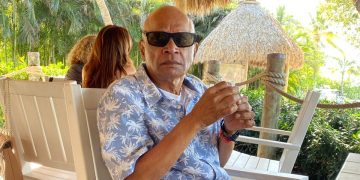
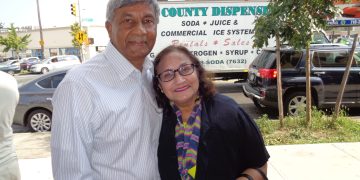
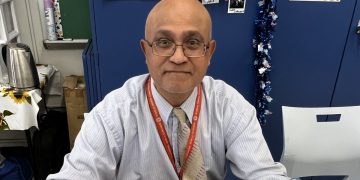

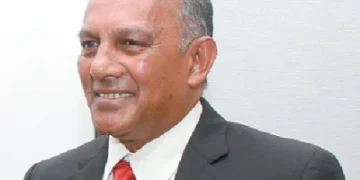
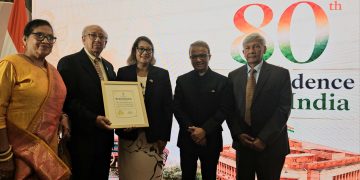
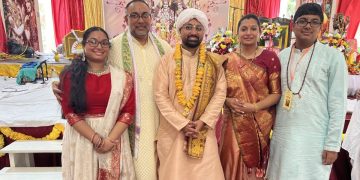
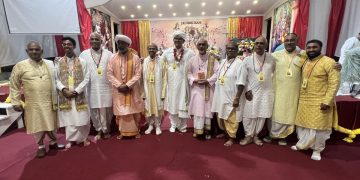


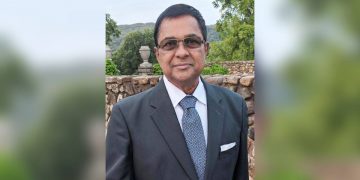



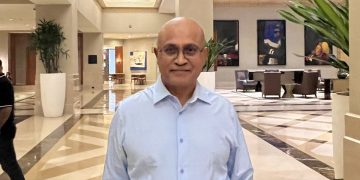
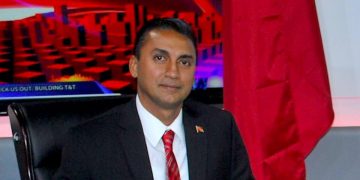
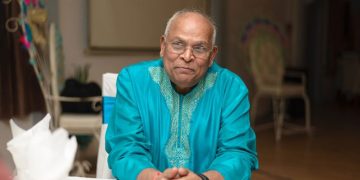
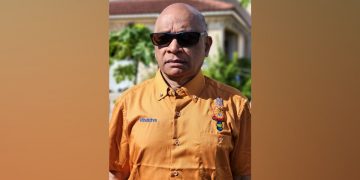


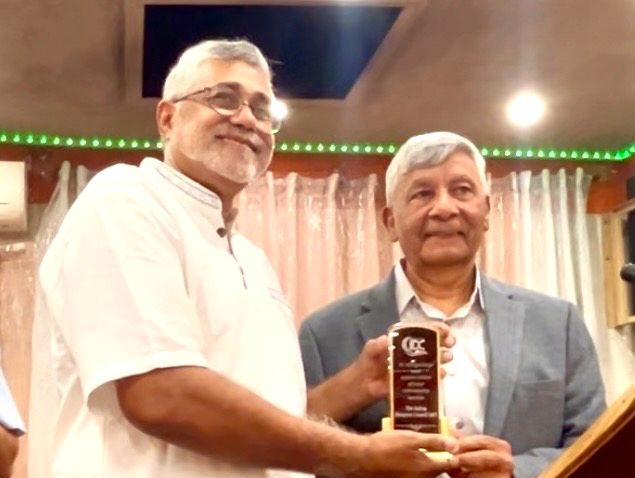
Indian Diaspora Council International (IDC) president Ashook Ramsaran honored Dr. Baytoram Ramharack, author of “The Wismar Massacre” at the book launch of the book in Richmond Hill, Queens on Sunday, June 7, 2026.
The Indian Diaspora Council (IDC) strives to embrace, engage and enhance the rapidly growing Indian Diaspora now in many more countries, while monitoring and addressing critical issues of interest and concern which can be specific to one area or region while other issues are common to many. Its main location is in New York with affiliated branches worldwide.
In presenting the IDC memento, Ramsaran expressed IDC’s gratitude to Dr. Ramharack “for his continuing service to the Indian Diaspora for researching and writing about the experiences of people of Indian origin in Guyana”.
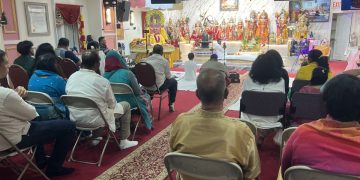
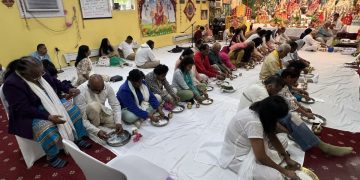
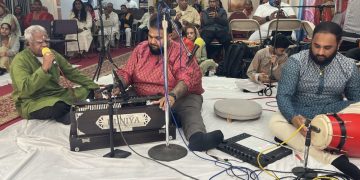
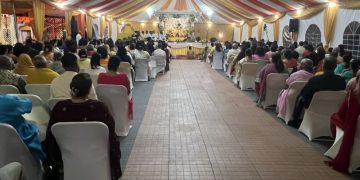
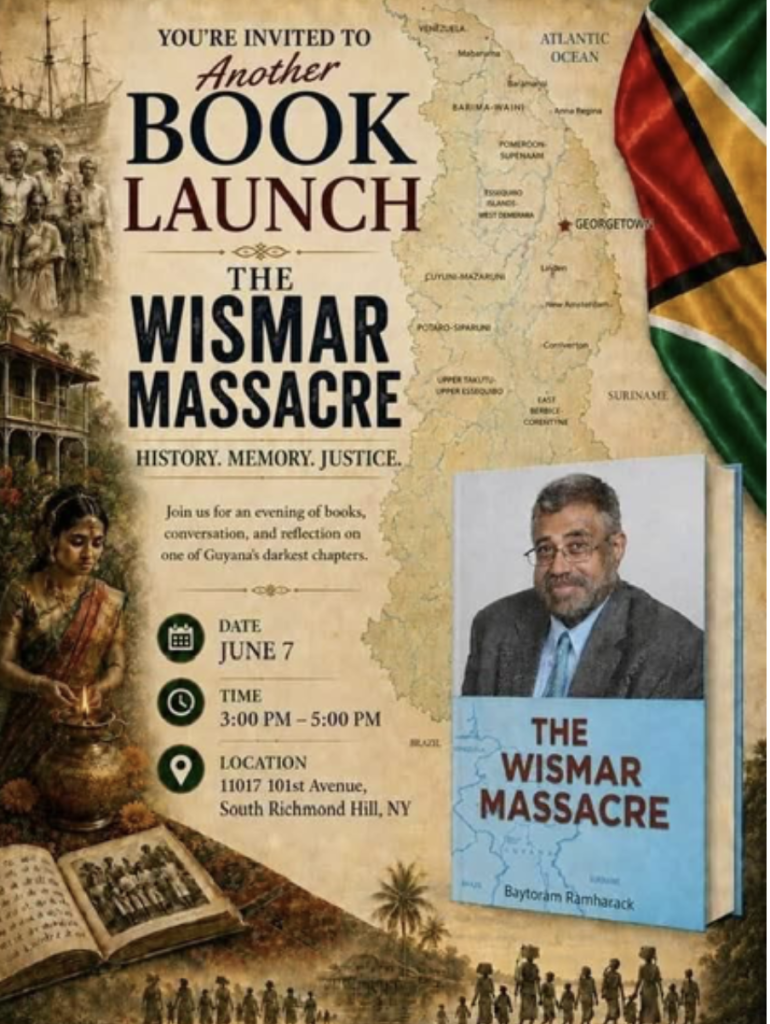
The book launch was organized and moderated by community advocate Dr. Tarachand Singh. It was held at the Arya Samaj Vedic Mandir and was well attended by a capacity crowd of over 75 persons primarily from the Indo-Caribbean community in Queens. Books purchased at the event were autographed by Dr. Ramharack. Tasty Guyanese style snacks were provided at the conclusion of the 2-hour event.
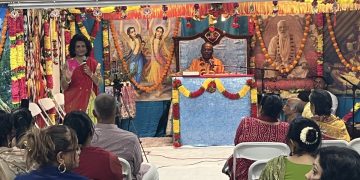
Dr. Ramharack presented a synopsis of the book, the historical context, his research among the archives and records of the time, and interviews conducted among survivors and descendants of those who were attacked, maimed, killed and escaped. It was a riveting journey following the facts and archival records. He also pointed out the denials and silence that followed, and that persist to this day, 62 years later. Dr. Ramharack explained his choice of “massacre” while making the differentiation among ethnic cleaning, holocaust and massacre.
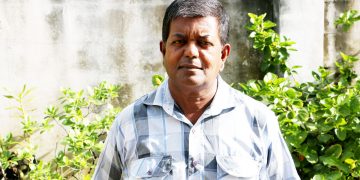
Speakers included: Chan who is a survivor, and Iqbal who did the painting used for the book cover. Ramsaran spoke about the need for memorializing that sad episode in Guyana’s history – by erecting a suitably designed and inscribed monument. Others who spoke were filmmaker Kishore Seunarine, Dr. Dhanpaul Narine, Mike Persaud and Bhanmatie Ram. Several others from the audience asked questions and made comments about the book and the need for bringing out the truth, sometimes being overshadowed by marking Guyana’s Independence Day on May 26, the date when the attacks occurred.
Remarks by Ashook Ramsaran:
“Congratulations to Dr. Baytoram Ramharack for publishing his book “The Wismar Massacre.”
I have purchased the book and read substantial portions of it – it is quite comprehensive and intense.
It is a highly acclaimed document that has revived the interests of Guyanese everywhere. Thank you for your discipline and courage to seek the truth.
It is truly a scholastic and well researched masterpiece that rightly tells that sad and unforgiven episode of Guyana’s horror at Wismar – and the trauma that continues to be an indelible stain on the soul of Guyana. It is necessary to document our past, to remind everyone especially when death was ruthlessly inflicted and remains a torturous reminder and painful memory. It should be stressed that “equivalency is no excuse” for silence.
This book is a fitting tribute to those who died, were maimed and survived – as well as their descendants. It has become a living history, thanks to Dr. Ramharack. Thank you for brining so much to light, opening our eyes more. In 2010, I told then Government of India Min. Vayalar Ravi in convincing him to erect the Kolkata Memorial, “it’s the right thing to do”. Researching and publishing this book is the right thing to do.
I am honored that Dr. Ramharack quoted me on Pages 601/603 as follows:
“Memorial monuments are public displays to acknowledge, honor and remember significant past historical events and personalities “lest we forget”. The Wismar Massacre of May 26, 1964 was a horrific racial attack that should be remembered for posterity with its own memorial monument that is suitably designed, inscribed and prominently located for optimum visibility. The Wismar Massacre was a critical event in Guyana’s history and a memorial monument can help to more accurately visualize history”.
I have suggested to Dr. Ramharack and others that a suitably designed memorial monument be designed and installed in Wismar to mark this horrific event. Memorials preserve the history of past years and events, good and not so good, so that present and later generations can know about them. They are not mere metal or stone figures or names carved into walls; they are historians telling the nation’s story of heroes, martyrs, and fights for freedom. The victims of Wismar deserve a Wismar Memorial Monument.
Every country, every people makes progress when it searches its soul for the truth and bares it publicly to everyone to see. Lest we forget.”