











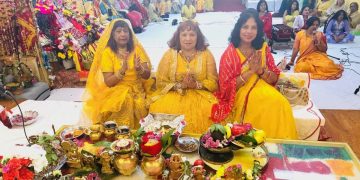
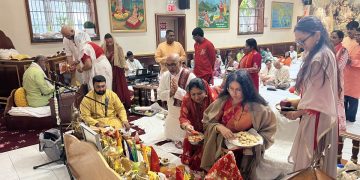
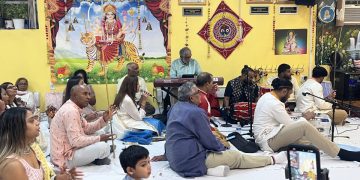
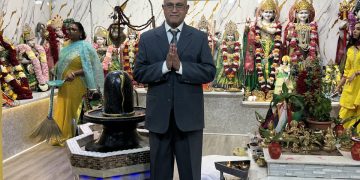
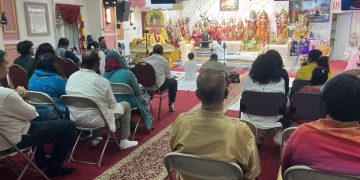
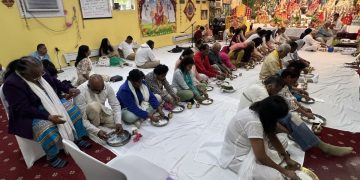
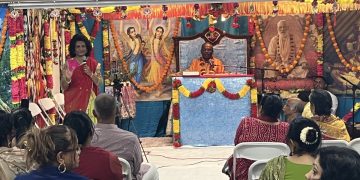


















Divali, widely known as the Festival of Lights, carries a message that transcends cultures, religions and traditions. Rooted in Hindu beliefs, it celebrates the triumph of light over darkness, good over evil, knowledge over ignorance and hope over despair. Beyond its rituals and festivities, Divali offers timeless lessons about the values that can guide our lives and shape a better society.
Across India, Divali is celebrated in different ways, reflecting the country’s rich religious and cultural diversity. The festival is widely associated with Mother Lakshmi, the Hindu goddess of wealth, prosperity and good fortune. In northern India, it commemorates Lord Rama’s return to Ayodhya, while in parts of southern India, it marks Lord Krishna’s victory over Narakasura. In West Bengal, the occasion coincides with Kali Puja, honouring Goddess Kali, while Sikhs celebrate Bandi Chhor Divas, remembering the release of Guru Hargobind Ji. These traditions reflect different beliefs united by the spiritual and cultural significance of the occasion.
In Trinidad and Tobago, Divali has become an important expression of religious heritage, cultural identity and community spirit. One remarkable example is Felicity, Chaguanas, internationally recognised for its traditional Ramleela celebrations and spectacular Divali displays. On Divali night, elaborate lighting and creative decorations transform the community, attracting visitors from across the country and beyond. Equally special is the hospitality of residents, who welcome the wider population to share in the celebrations.
Communities such as Penal, Palmiste, Rio Claro and Sangre Grande have also worked tirelessly to preserve and promote their Ramleela and Divali traditions. The dedication of families, volunteers and cultural organisations demonstrates how heritage strengthens national identity while bringing people from different backgrounds together.
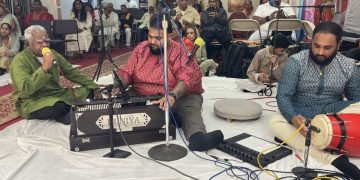
Another major highlight is Divali Nagar, which celebrates its 40th anniversary this year. The Nagar has become one of the Caribbean’s most recognised Hindu cultural events. Attracting thousands of visitors local and abroad, it showcases Hindu traditions through music, dance, cuisine, spirituality and cultural exhibitions.
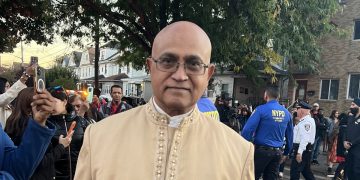
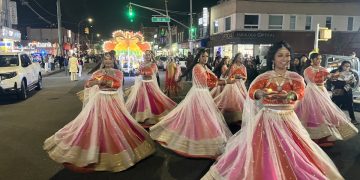
The significance of Divali extends well beyond India and the Caribbean, with communities around the world celebrating the festival and passing its traditions on to future generations. In New York, Divali has become increasingly visible within the city’s multicultural landscape, and I have had the pleasure of experiencing celebrations in the iconic Times Square. Similar celebrations take place internationally, including the annual Diwali on the Square at Trafalgar Square in London and the City of Brampton’s Diwali Mela in Canada. These celebrations, among many others, demonstrate the growing international recognition of Hindu culture and its valuable contribution to multiculturalism, cultural exchange and greater understanding among diverse communities.
Beyond the festivities, the lighting of deyas carries a deeper meaning. It encourages us to practise kindness, honesty, compassion and respect in our everyday lives. Whether helping someone in need or standing up for what is right, even the smallest act of goodness can make a meaningful difference. Just as a small flame can brighten a dark room, positive actions can inspire hope in the lives of others.
This message is particularly relevant in a world increasingly affected by conflict, intolerance and division. Differences in culture, religion, nationality and beliefs should never become reasons for prejudice or discrimination. Beneath these differences, we share fundamental human aspirations: peace, dignity, security and the hope of a better future.
Respecting our shared humanity does not require us to abandon our individual beliefs or traditions. Rather, it calls on us to recognise the dignity of others, listen with an open mind and embrace the values that unite us. A harmonious society is built when understanding replaces prejudice and cooperation takes precedence over division.
Ultimately, the true test of Divali’s message is not simply how we celebrate but how we conduct ourselves throughout the year. Speaking of peace, love and unity is meaningful but demonstrating these values through our actions, particularly during difficult times, is what gives them substance.
𝐓𝐡𝐞 𝐭𝐫𝐮𝐞 𝐥𝐢𝐠𝐡𝐭 𝐨𝐟 𝐃𝐢𝐯𝐚𝐥𝐢 𝐢𝐬 𝐫𝐞𝐟𝐥𝐞𝐜𝐭𝐞𝐝 𝐢𝐧 𝐭𝐡𝐞 𝐠𝐨𝐨𝐝𝐧𝐞𝐬𝐬 𝐰𝐞 𝐩𝐫𝐚𝐜𝐭𝐢𝐬𝐞, 𝐭𝐡𝐞 𝐝𝐢𝐠𝐧𝐢𝐭𝐲 𝐰𝐞 𝐞𝐱𝐭𝐞𝐧𝐝 𝐭𝐨 𝐨𝐭𝐡𝐞𝐫𝐬 𝐚𝐧𝐝 𝐭𝐡𝐞 𝐡𝐨𝐩𝐞 𝐰𝐞 𝐢𝐧𝐬𝐩𝐢𝐫𝐞 𝐭𝐡𝐫𝐨𝐮𝐠𝐡 𝐨𝐮𝐫 𝐚𝐜𝐭𝐢𝐨𝐧𝐬.
May the spirit of Divali inspire us to live with greater purpose, compassion and understanding. Regardless of our backgrounds or beliefs, we all have a responsibility to contribute to a world where differences are respected, humanity is valued and goodness guides our choices.
Having grown up in Trinidad and Tobago, I consider us truly blessed to live in a multicultural society where people of different religious and cultural backgrounds come together, participate in and appreciate one another’s traditions. It is this spirit of togetherness, mutual respect and shared celebration that makes our country special and serves as an example of how diversity can enrich a nation.
After all, the world becomes brighter when each of us takes responsibility for the light we bring into it.
Deochand Ramjit Singh MBA, BA, AMABE
deochandramjitsingh@gmail.com