












































The findings of an ongoing NACTA (North American Caribbean Teachers) poll of 1,285 voters across Grenada points to a closely contested race ahead of Thursday’s November 5 general elections, with voter turnout and the choices of undecided and politically unaffiliated voters likely to determine which party forms the next government.
The survey, conducted through random, face-to-face interviews and designed to reflect the demographic composition of Grenada’s electorate, covering 14 constituencies; Carriacou not included. Between 60 and 120 voters were interviewed in each constituency, with greater emphasis placed on battleground seats that have historically switched party control and that will determine the winner.
The findings suggest that a majority of the electorate is leaning towards political change. Some 47% favour Opposition Leader Emmaline Pierre as Prime Minister, 4% more than incumbent Dickon Mitchell with Peter David at 4%. Some 6% reveal no choice or undecided. David, however, is not considered a realistic contender for forming the next government, given that his Democratic People’s Movement (DPM) is contesting a limited number of seats, well short of the parliamentary majority required to govern. Many felt it would be a protest or ‘waste’ vote.
The poll points to a potentially high turnout, although the final outcome will depend heavily on whether NNP supporters turn out in substantial numbers and how undecided and politically unaffiliated voters cast their ballots. NDC supporters are ready and enthused. The data was analyzed at 95% Confidence Level, standard in polling. with a margin of error of four percentage points in either direction .
Economic dissatisfaction & Tensions with USA challenge Mitchell’s re-election bid
PM Mitchell faces a difficult battle in his quest for a second term amid mounting economic concerns and growing unease over Grenada’s relationship with the United States.
The economy has emerged as the dominant issues influencing voter sentiment. Respondents expressed dissatisfaction with the high cost of living, unemployment, rising fuel prices, healthcare affordability and what they perceive as the government’s inadequate response to the country’s economic difficulties. Even within sections of the governing National Democratic Congress (NDC) support base, confidence in the administration appears less robust than when Mitchell assumed office in June 2022.
There is growing pessimism about Grenada’s economic prospects, with voters questioning whether the government has the capacity and a credible strategy to reverse current difficulties.
A recurring theme in the survey is whether Mitchell can deliver meaningful employment opportunities, reduce living costs, improve healthcare services and restore public confidence in the country’s economic direction and international relationships. Many respondents appear unconvinced that his administration has presented a sufficiently convincing plan to accomplish these objectives.
US relations emerge as an election issue
Relations with Washington have become a particularly sensitive issue in the campaign. American visa restrictions and their reported consequences for Grenadian nationals have generated anxiety and frustration among sections of the population.
Artistes have complained about difficulties obtaining visas and the necessary approvals to travel to the United States for performances. Others are concerned about obstacles to visiting relatives, maintaining family connections and conducting personal and professional business in America.
For many Grenadians, these concerns have transformed relations with Washington from an abstract foreign-policy issue into a matter affecting families, politicians, livelihoods and opportunities.
Political victimisation and governance concerns
Political victimisation is another grievance raised by respondents. Some voters allege that they have lost employment opportunities or access to small government contracts over the past four years because of their political affiliations or perceived loyalties or complained about governance. These allegations reflect broader concerns about fairness, equal opportunity and the impartial administration of public resources.
Respondents also say that more could have been accomplished in managing the economy and delivering development to their communities. Concerns about fiscal management, transparency and the integrity of some public officials have also surfaced.
Among the priorities identified are developing a stronger youth economy, expanding the blue economy and investing in eco-tourism. Rural voters particularly emphasise agricultural modernisation, agro-processing and rural transformation as important avenues for generating employment, encouraging entrepreneurship and creating sustainable sources of income.
Debate performance boosts Pierre’s standing
The recent leaders’ debate appears to have influenced perceptions of the two principal contenders. Several respondents considered Mitchell’s answers overly general and felt he avoided directly addressing some important questions.

By contrast, Opposition Leader Emmaline Pierre received favourable assessments from respondents who praised her command of the issues, policy knowledge, composure and vision for national development. Her debate performance appears to have strengthened her standing among sections of the electorate, particularly voters seeking an alternative approach to governance.
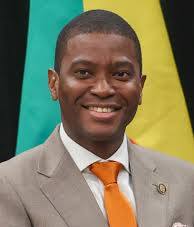
Pierre also benefits from growing sentiment that Grenada should make history by electing its first woman Prime Minister. As the first woman to lead the New National Party (NNP) into a general election, she represents a historic opportunity for the country.
Among NNP supporters and sections of unaffiliated voters, there is a perception that Pierre deserves an opportunity to lead. Supporters describe her as caring, compassionate and capable of bringing a different style of leadership to national affairs.
 An emotional moment during the campaign, when her children came onto the stage to embrace their mother, also resonated with sections of the electorate. The episode reinforced an image of family commitment, compassion and personal dedication that her supporters believe could broaden her appeal beyond the traditional NNP base. Several prominent individuals in Grenada and the diaspora have also publicly expressed support for her candidacy.
NDC retains a loyal electoral base
Mitchell nevertheless has an important advantage. The poll indicates that NDC supporters remain strongly attached to their party, giving the governing party a committed electoral base. That loyalty could prove decisive if opposition supporters fail to turn out in sufficient numbers. Many have lost interest in politics – with significant political apathy
However, the NNP has an opportunity to capitalise on dissatisfaction with the government’s performance. If its supporters demonstrate strong turnout and undecided and unaffiliated voters break decisively towards the opposition, Pierre could lead her party to a significant victory.
Peter David DPM
The newly formed DPM of Mr David introduces another variable into the electoral equation. Its ability to attract voters and influence the margins in closely contested constituencies could have implications for the final parliamentary arithmetic. Whether it draws support primarily from traditional NDC or NNP constituencies will be particularly important.
Turnout could decide the election
Ultimately, the NACTA findings suggest that Grenada is heading towards a highly competitive election. Economic management, employment, healthcare, the cost of living, governance, allegations of corruption, and relations with the United States have emerged as significant factors shaping voter attitudes.
While the NDC retains a loyal support base, the NNP appears to have an opportunity to capitalise on an electorate increasingly receptive to change. The decisive question is whether that appetite for change will translate into votes on November 5.
With the two major parties competing in what could be a closely fought contest, turnout among NNP supporters, together with the choices of undecided and politically unaffiliated voters, may ultimately determine who occupies the Prime Minister’s office for the next five years.