
















































Dr. Deepti Aggarwal
deeptiaggarwalmail@gmail.com
Abstract
This article provides detailed philosophical and scientific information about the concept and form of India’s rich food culture, while discussing the Indian food culture prevalent in indentured labour/indenture countries. During the 19th and 20th centuries, when millions of Indian workers were taken to countries like Suriname, Guyana, Trinidad, Fiji, Mauritius, and South Africa under the indenture system, they carried with them not just their bodies, but also the Indian worldview, culture, and especially dietary traditions. This study demonstrates what Indian rich food culture is, and how the Indian dietary system adapted, preserved, and developed as a cultural heritage in these countries within local contexts. The research presents the essence of Indian dietary culture from Vedic, Ayurvedic, and Upanishadic perspectives while also examining the experiences and cultural struggles of indentured migrants and analysing the Indian dietary traditions present there.
Research Methodology
The research adopts a qualitative methodology, primarily based on the researcher’s travels to these countries, dietary rituals observed in local kitchens, temples, and Indian families, and oral history. Additionally, religious texts such as Vedas, Upanishads, Ayurvedic treatises, migrant literature, and local community writings and interviews have been compiled. The material has been collected from archives, newspapers, memoirs, history books, Vedas, research articles and books on food culture, documentaries, religious texts, interviews, and travels.
Indian Food Culture: A Philosophical and Scientific Perspective
What modern food culture presents today as new discoveries has been established in Indian dietary traditions for thousands of years in a rational and scientific manner. When comparing ancient India’s rich food culture with Greek, Egyptian, and Chinese civilizations, it becomes clear that nowhere else exists such a complete, health-promoting, and advanced dietary system as found in India. This culture is based on scientific principles propounded by sages and seers.
Indian food culture is not merely a nutrition-providing system, but also guides human consciousness, spiritual practice, and behaviour. It has been a philosophical, spiritual, and scientific discipline with deep connections to the body, mind, soul, and seasonal cycles. This is not just a method of eating but a complete lifestyle that ensures the balance of body, mind, and soul.
Concept of Diet
According to Indian thinkers, when a substance enters the body through the food passage and generates life force, nourishes the body tissues, repairs damage, and maintains life processes in balance, only then is it called ‘diet’ (ahar). From the fetus to old age, diet plays a crucial role in every stage of life. In the Indian perspective, diet is not limited to food consumed through the mouth, but breath, sunlight, air, and nutrition received from the mother’s womb are also forms of diet.
Diet in Indian Knowledge Tradition
According to Indian dietary science, diet not only nourishes the body but also affects the mind and mental tendencies. Profound analysis of diet has been conducted in texts like The Charak Samhita, The Sushrut Samhita, TheTaittiriyaUpanishad, and The Bhagavad Gita.
According to the Upanishads
Reference from The Taittiriya Upanishad: “Annād evakhalvimāni bhūtāni jāyante। Annena jātāni jīvanti। Annaṃprayantyabhisaṃviśanti॥” (The Taittiriya Upanishad 3/2)
All beings are born from food, live by food, and ultimately merge into food. The consumed diet is divided into three parts:
Gross part: Forms the body (flesh)
Medium part: Forms blood
Subtle part: Nourishes the mind and life force
This threefold division shows that in Indian tradition, diet is considered a source of psychosomatic energy.
Reference from The Chandogya Upanishad: “Āhāra śuddhausattva śuddhiḥ, sattva śuddhau dhruvā smṛtiḥ” Meaning: Purity of diet leads to purity of mind, and purity of mind leads to steady memory.
According to the Vedas
In The Rigveda, Yajurveda, Samaveda, and Atharvaveda, food is presented as part of the life foundation pillars of food-sleep-celibacy. In The Atharvaveda, traditional food substances like satu, payasa, soma, amiksha, honey, etc., are mentioned along with medicinal herbs.
According to Ayurvedic Treaties
The Charak Samhita: “Dharmārthakāmokṣāṇāmārogyamūlamuttamam” (Charak Sutra 1)
The achievement of the four life goals – dharma, artha, kama, and moksha – is based on health, and the root of health is diet. According to Charak, food items are divided into 12 categories, including grains, pulses, fruits, vegetables, meat, milk, oil, etc. The Charak Samhita emphasizes food selection according to quantity, time, and natural digestive power.
The Sushrut Samhita: According to Sushrut, the recommendation is – “Pūrvaṃ madhuraṃ tato lavaṇāmlaṃ, paścāt kaṭu-tikta-kaṣāyam” – this sequence of food is recommended to keep the three doshas balanced.
The Ashtanga Hridaya: According to Vagbhata, one should eat before sunset and lie on the left side afterward, which is beneficial for digestive fire.
According to The Bhagavad Gita
“Yuktāhāravihārasya yuktaceṣṭasya karmasu। Yukta-svapnāvabodhasya yogo bhavati duḥkha-hā॥” (Gita 6/17)
Meaning: Yoga destroys sorrows only when there is balance in diet, conduct, actions, and rest in life. The Bhagavad Gita (Chapter 17, verses 8-10) classifies diet into three main categories:
Satvic: Pure, fresh, energy-giving, such as fruits, milk, honey, sprouted grains
Rajasic: Spicy, sour, overly stimulating, such as fried spicy foods
Tamasic: Stale, foul-smelling, non-vegetarian substances that bring depression and lethargy
This classification could be significant in addressing today’s mental health and lifestyle diseases.
Some scholars have divided diet into four parts:
Bhojya – to be chewed and eaten
Peya – to be drunk
Lehya – to be licked
Bhakshya – to be bitten with teeth
All these affect the increase of body’s strength, vitality, virility, essence, and tissues.
Other Dimensions of Indian Dietary Tradition
Diet and Psychology
Indian scholars believe that “as the diet, so the behaviour.” Acharya Shri Ram Sharma has said that the nature of food affects a person’s conduct, thinking, and mental state. The mind is made of food – this is the fundamental idea of Indian philosophy.
Scientific and Medical Context
According to Ayurveda: “Āhārasambhavaṃ vastu, rogāścaāhārasambhavāḥ” (Charak Samhita 28/45)
Meaning: Both the body’s formation and diseases arise from diet. If the diet is appropriate, it is like nectar; otherwise, it can cause diseases.
Vedic Mantra Reference to Vaishvanara: “Ahaṃ vaiśvānarobhūtvā prāṇināṃ deham āśritaḥ। Prāṇāpāna-samāyuktaḥpacāmy annaṃ caturvidham॥” (Gita 15/14)
Here ‘Vaishvanara’ means digestive fire, which is considered divine and digests food.
Purpose of Diet and Contribution to Physical Functions
The main purpose of diet is to compensate for body wear and tear, generate heat, build tissues, and maintain energy balance. Diet drives both catabolic and anabolic processes in the body, collectively called metabolism. Proper diet balances these processes and regulates the threefold sensations – thirst, hunger, and breathing.
Rules of Diet in Indian Knowledge Tradition
In Indian tradition, diet is considered not merely a means of body nourishment but the foundation for purification of mind, intellect, and soul, and for spiritual advancement. Vedic literature, Ayurveda, Upanishads, and conduct treatises have adopted a comprehensive and scientific approach to diet, with profound consideration of various dimensions of diet. The selection, timing, quantity, method, and attitude of diet – all have been determined from a highly scientific and philosophical perspective.
What to Eat? Satvic and Beneficial Diet
One should consume food that is beneficial for the body, mind, intellect, and soul. The Indian knowledge tradition considers ‘satvic food’ the best. This food is not only easy to digest but also calms the mind, concentrates the mind, and enlightens the intellect.
As mentioned in Charak Samhita: “Āhāra sambhavaṃ vastu, rogāśca āhāre sambhavāḥ” (Charak Samhita 28/45)
Meaning: Both the body and diseases arise from diet. Therefore, proper diet is the key to health. Consume satvic, fresh, pure, and seasonally appropriate food. According to the principle of “hitabhuk, mitabhuk, ritubhuk” – beneficial, moderate, and seasonal food is excellent.
How Much to Eat? – The Concept of Moderate Eating
The quantity of food should be limited, no matter how delicious and nutritious it may be. Excessive eating puts excessive burden on the digestive system, which weakens the ‘fire’ – the root cause of all diseases.
As the ethical saying goes: “Mitāhāraṃ sadā kurvan, ārogyaṃlabhet naraḥ” Despite taste and nutrition, the quantity of food should be limited. Ayurveda says: “Alpamaśnan hi ārogyam” – eating less is the key to health.
When to Eat? – Time Determination
According to Ayurveda, eating twice a day is appropriate:
First meal: Before 12 noon
Second meal: Before 7 PM, before sunset
The verse states: “Rātrau tu bhojanaṃ kuryāt prathama-paharāntare” Meaning: In the evening, one should have light, easily digestible food in the first part of the night.
Why Eat? – Purity of Purpose
The purpose of diet is not merely taste but to keep the body healthy for achieving the four life goals – dharma, artha, kama, and moksha. As written in the Gita: “Śarīram ādyaṃkhalu dharma-sādhanam” Meaning: The body is the primary means of spiritual practice.
How to Eat? – Attitude and Method
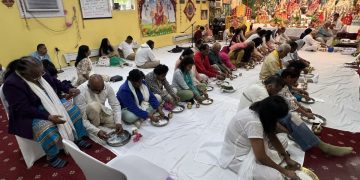
Consider food as God’s blessing and consume it with a pure and happy mind. Maintain silence while eating – this helps both concentration and digestion. Before eating, wash hands, mouth, and feet, and sit in a clean place in a meditative state.
The Yajurveda (11/73) mantra states: “Om annpate annasya no dehī nrīvaasya śuṃṣimṇaḥ। Pra pra dātāraṃ tāriṣa ūrjāṃ no dhehi dvipade catuṣpade।”
Meaning: O lord of food! Give us disease-free and nourishing food, and provide energy to our family and animals.
Food Technique – Chewing, Water Consumption, Posture
Food should be chewed well 32 times so that there is no burden on the digestive system. One should drink a little water intermittently during meals and consume water again only after an hour. Sitting in Vajrasana for some time after eating is extremely helpful for digestion.
Rules for Nighttime Diet
Consume light, easily digestible, and wind-alleviating food
Avoid potato, eggplant, urad dal, kidney beans, curd, rice, etc.
Don’t sleep immediately after eating; walk a little or rest
Bhava Prakash emphasizes peace, freshness, and sattva during nighttime meals.
Seasonal Diet (Ritucharya)
One should choose diet according to individual constitution (vata, pitta, kapha) and season. For example, in summer, cool, liquid, and fresh fruits; in monsoon, light and wind-alleviating food for digestion; in autumn, bitter and astringent taste substances are beneficial.
According to Ayurveda, a year is divided into six seasons with specific diet and lifestyle recommendations for each:
Season
Time Period
Main Diet and Lifestyle
Spring
March-May
Dry, bitter taste, ginger, triphala
Summer
May-July
Cool, liquid substances, coconut water, buttermilk
Monsoon
July-September
Cooked grains, boiled water, lemon, bottle gourd
Autumn
September-November
Bitter and light diet, amla, pomegranate, pointed gourd
Winter
November-January
Ghee, milk, jaggery, black gram, heavy meals
Late Winter
January-March
Hot and oily diet, yam, fritters, etc.
This season-based nutritional science is helpful in environmental adaptation, disease resistance, and digestive power balance.
This tradition is a rich reference source for modern nutritional science. Particularly, seasonal regimen, triguna-based food classification, and satvic lifestyle can prove extremely relevant for peace and health in today’s stressful life. Modern nutritional science is discovering today what was established in Indian scriptures ages ago. From the perspective of balancing body, mind, and soul, the Indian dietary tradition is an exemplary model for the entire world. This is why the echo of Indian dietary knowledge tradition is still alive in many countries of the world, especially in Mauritius, Guyana, Trinidad, Fiji, where indentured labourers/indenture workers were taken.
Preservation and Transformation of Indian Food Culture in Indenture Labour/Girmit Countries
The story of indenture workers’ migration to these countries is very interesting. In 1833, slavery was abolished worldwide, and all African slaves were freed. But this caused a shortage of labourers in colonial plantations and factories, which was filled by the start of a refined form of slavery – the indentured labour system/indenture system.
Under this system, millions of workers were sent from India to Mauritius, Guyana, Trinidad, South Africa, Suriname, and Fiji from 1834 to 1920 under five-year contracts or agreements. (The corruption of ‘agreement’ became ‘girmit’ and these workers were called ‘girmitiya’)
These workers came from various regions of India, especially Uttar Pradesh, Bihar, and Madras, and in their ‘jahazi bundle’ they took not only seeds of mango, jamun, and tulsi but also the saplings of culture, which are still flourishing in these countries through language, religion, and customs.
The result is that even today, Indian rich food culture has special significance in various religious, social, and cultural ceremonies of these countries, and they are still preserving Indian food culture. In these countries, Indian food culture is not just a matter of taste but a symbol of values, identity, and spiritual connection. This cuisine is not just a means of filling the stomach but a bridge connecting generations.
The Immigrant Journey of Traditional Indian Food Ingredients
When indenture workers were taken from regions of Uttar Pradesh, Bihar, Jharkhand, Bengal, and Tamil Nadu in India, they carried in their ship bundles not only memories but also traditional food concepts, taste habits, and some seeds or food elements. The main ones included:
Grains: Wheat, rice, barley, corn
Pulses: Pigeon pea, lentil, moong bean, chickpea
Spices: Turmeric, coriander, cumin, ajwain, black pepper, cloves
Sattu and flattened rice: Cheap, nutritious, and durable during travel
Oil: Mustard oil
Sweets: Jaggery, sugar, gram flour laddus
Although their physical transfer was limited, their mental and cultural transformation was extensive.
Place of Indian Spices and Utensils in Indenture Countries’ Diet
In these countries, turmeric, cumin, ajwain, asafoetida, mustard, and curry leaves are used just like in India. For example, in South Africa, one can find spiced tea, dal with bay leaves, and ‘panch phoron’ tempering. In Mauritius, there is abundant use of curry leaves and turmeric.
For cooking food, chulha (stove), tawa (griddle), large bowl, grinding stone, iron wok, ladle, and spatula are still used. These utensils continue to be used in these countries.
Indian Dishes Popular in Indenture Countries
Fortunately, I had the opportunity to travel to and stay in Mauritius, Guyana, Suriname, and Trinidad for my research. During my Trinidad, Suriname, and Guyana travels, I ate Trinidadian ‘dal puri’ and ‘doubles’ at my friend’s place, and enjoyed simple roti and bhaji at my Surinamese friend’s home. Similarly, in Guyana, we got paneer, curry, potato curry, okra, dal, rice, and chickpeas, etc. In Mauritius, I enjoyed dal-rice, raw banana curry, and kheer.
Additionally, during my visit to Mauritius, people there told me that the popular Indian dishes here are dal, rice, roti, puranpoli, sabudana khichdi, etc. My friend from Suriname told me that popular dishes here are poha, dal, chutney, and vegetarian curry. Speaking of Trinidad, dal puri, pakoras, chikki, and dal