










The candle light flickering in the dark offers limited hope of surviving the night. Its fuel supply is limited and sooner than later the environment it intends to brighten would be plunged into darkness. On the other hand, an electrical bulb is going to burn all night and into weeks, months, and years. And why this is so? That bulb is connected; it is part of an elaborate grid that is linked to a power generating plant.
Leaders can be of two categories – a candle light that stands alone or an electric bulb that is connected to a powerful generator. Candlelight leaders are like the candle fly or laaboo that is self-powered but limited in scope and capacity. They have failed to identify or connect with something larger than themselves. As for the electrical bulb leaders, they are well connected and so will endure the passage of time.
Another critical point I wish to touch on is the question of knowledge, tools, data and other aids to work effectively. The acquisitioning of knowledge is very time consuming; not a revelation. It is becoming common to have individuals with limited training delivering discourses from the singhasan. In introducing these individuals, nothing is said about their training- institutions and gurus -sampradaya or spiritual lineage.
The above reminds me of the Aesop fable – “How the agouti lost its tail.” The dog made false horns and stormed his way into a party for animals with horns, only to be discovered and booted out by Captain Bull. This imitation culture we have unwittingly adopted into our modus operandi – no need to study Sanskrit at an institution…just pick up a few mantras, learn to sing a bhajan or two and you are off to a great start- is fast becoming the norm.
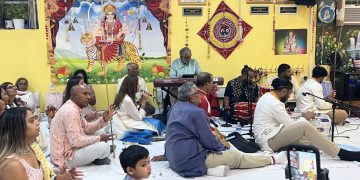
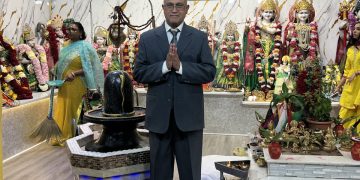
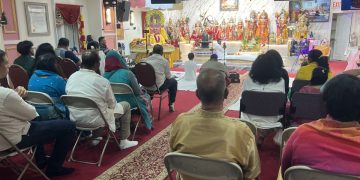
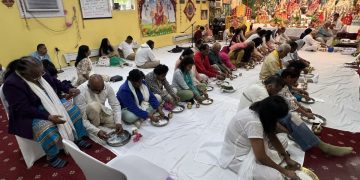
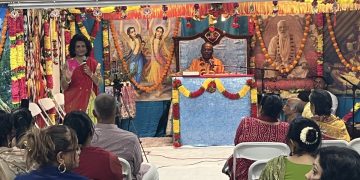
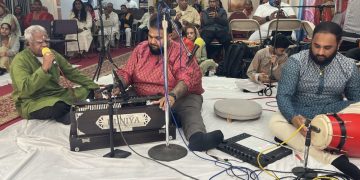
The Chinmaya Mission of Trinidad and Tobago is a striving organization. It not only has well – kept buildings with all amenities to carry out its programs but also on-going training programs for brahmacharis. This success is only happening because the Chinmaya Mission is connected to an international grid. This would be demonstrated next year when the Chinmaya Mission of TT hosts more than 700 participants from around the world in a retreat at the Radison Hotel.
The laaboo candle light leadership style is one that is worthy of closer examination. It is a bold display of arrogance from an individual who is high in ambition but low in knowledge and skills. The laaboo leader got his authority by surround himself with half literates with low self-self-esteem and bask in the glory of his leader for identity and self-worth.
The laaboo leadership is seen in family-led mission. The eldest usually take charge and whatever he says or does becomes the accepted norm for all to follow without question. For example, if the laaboo leader says to do shaving on the day following the funeral and the bandara the next day, then such instructions are not to be questioned but accepted wholesale.
Laaboo leaders abound in the community in all facets of social life. It originates in the school yard where a strong student brings together a bunch of weak students and bosses them around. The laaboo leader controls their spending money and also censors their relationship outside the gang. He even takes control of their money but most importantly, he finds strength and power in bossing them around.
The laaboo leader must never be allowed to flourish but must be curbed. This is gangsterism and reminds me of Abdul Malick, a social outcaste, who brought together a few who were living in the margins of society and the result was violence and death.
The international connection that the Chinmaya Mission of TT offers is a saving grace for Hindus in Trinidad. My sincere hope is that families who want their kids to sit on the singhasan would not have to swear deed pole but engage them in training with an institution that is linked to the grid like the Chinmaya Mission. As for the laaboo leaders, they will always be with us, not as a threat but more of a nuisance.